
⚡ The Rising Power Demand in India
India’s electricity demand has been on a steep upward trajectory. In May 2024, the country experienced a record peak demand of 250 GW, marking a 13% increase from the previous year. This surge is attributed to factors like rapid industrial growth, increased air conditioning usage, and the electrification of various sectors, including transportation
Bureau of Energy Efficiency
.
Looking ahead, projections indicate that India’s electricity demand will continue to rise, potentially reaching 273 GW by 2025
ETEnergyworld.com
. This escalating demand underscores the urgency of finding sustainable and scalable solutions to meet the nation’s energy needs.
🏭 Challenges in Meeting the Demand
Despite significant strides in expanding power generation capacity, India still faces challenges in meeting peak electricity demand. In 2023-24, the country experienced a 12.7% increase in peak energy demand, yet the supply struggled to keep pace, leading to concerns about grid stability and reliability
Mercomindia.com
.
A significant portion of India’s electricity continues to be generated from fossil fuels, particularly coal, which accounts for over 50% of the total installed capacity
Press Information Bureau
. This reliance not only contributes to environmental pollution but also makes the energy sector vulnerable to price fluctuations and supply disruptions.
☀️ The Role of Solar Energy
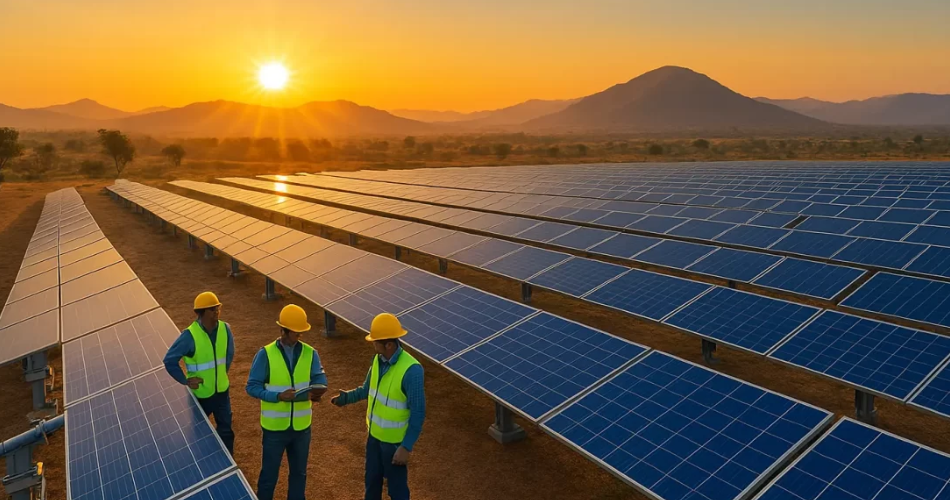
Solar energy presents a promising solution to India’s energy challenges. The country boasts an average solar irradiance of 5.5 kWh/m²/day, making it one of the most favorable regions for solar power generation. As of September 2025, India’s cumulative solar capacity has reached 127.33 GW, with significant contributions from rooftop installations
Ministry of New and Renewable Energy
.
The government’s PM Surya Ghar Yojana aims to accelerate the adoption of rooftop solar systems by providing financial incentives to households. Under this scheme, families can receive subsidies of up to ₹78,000 for installing solar systems, making clean energy more accessible and affordable.
🏠 How PM Surya Ghar Yojana Makes a Difference
The PM Surya Ghar Yojana is designed to empower households to generate their own electricity, thereby reducing dependence on the grid and lowering electricity bills. Here’s how the scheme works:
Subsidies: Households can avail subsidies based on the capacity of the solar system installed:
1 kW system: ₹30,000
2 kW system: ₹60,000
3 kW and above: ₹78,000
Affordable Financing: In addition to subsidies, the scheme facilitates access to low-interest loans, making solar installations financially viable for a broader segment of the population.
Expert Support: Authorized vendors, like Preetisha Renewable Energy Enterprises, provide end-to-end services, including site assessment, installation, and after-sales support, ensuring a seamless transition to solar energy.
🌱 The Path Forward
Transitioning to solar energy is not just an environmental imperative but also an economic opportunity. By harnessing the power of the sun, India can reduce its carbon footprint, alleviate pressure on the national grid, and provide affordable electricity to millions of households.
At Preetisha Renewable Energy Enterprises, we are committed to supporting this transition by offering high-quality solar solutions and expert guidance under the PM Surya Ghar Yojana. Together, we can build a sustainable and energy-independent future for India.